
 Compare models


 Sensor & optics


SEEK 256
Serial productionLightweight thermal core for FPV and compact platforms. Smooth, low-latency imaging without freezes, thanks to our proprietary calibration algorithm.
- Resolution
- 256 × 192
- Frame rate
- 25 / 50 Hz
- Power consumption
- < 0.35 W
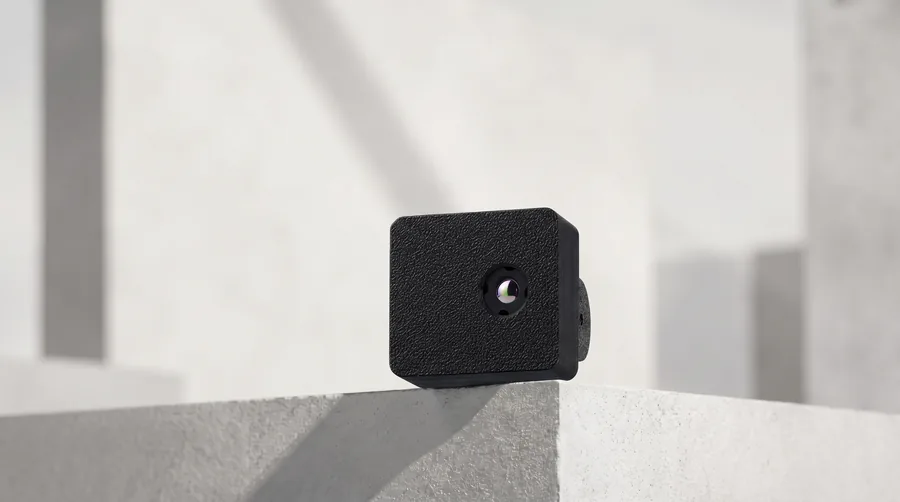
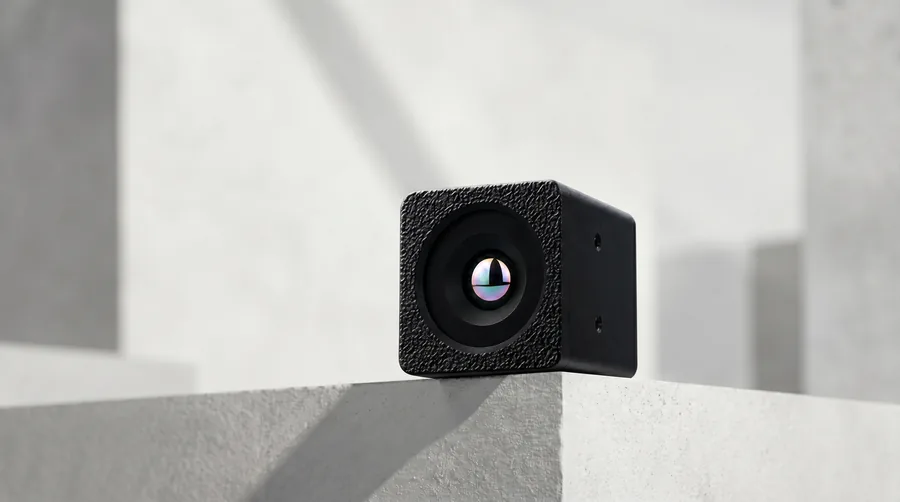
Thermal camera · ISR and interceptor UAV module
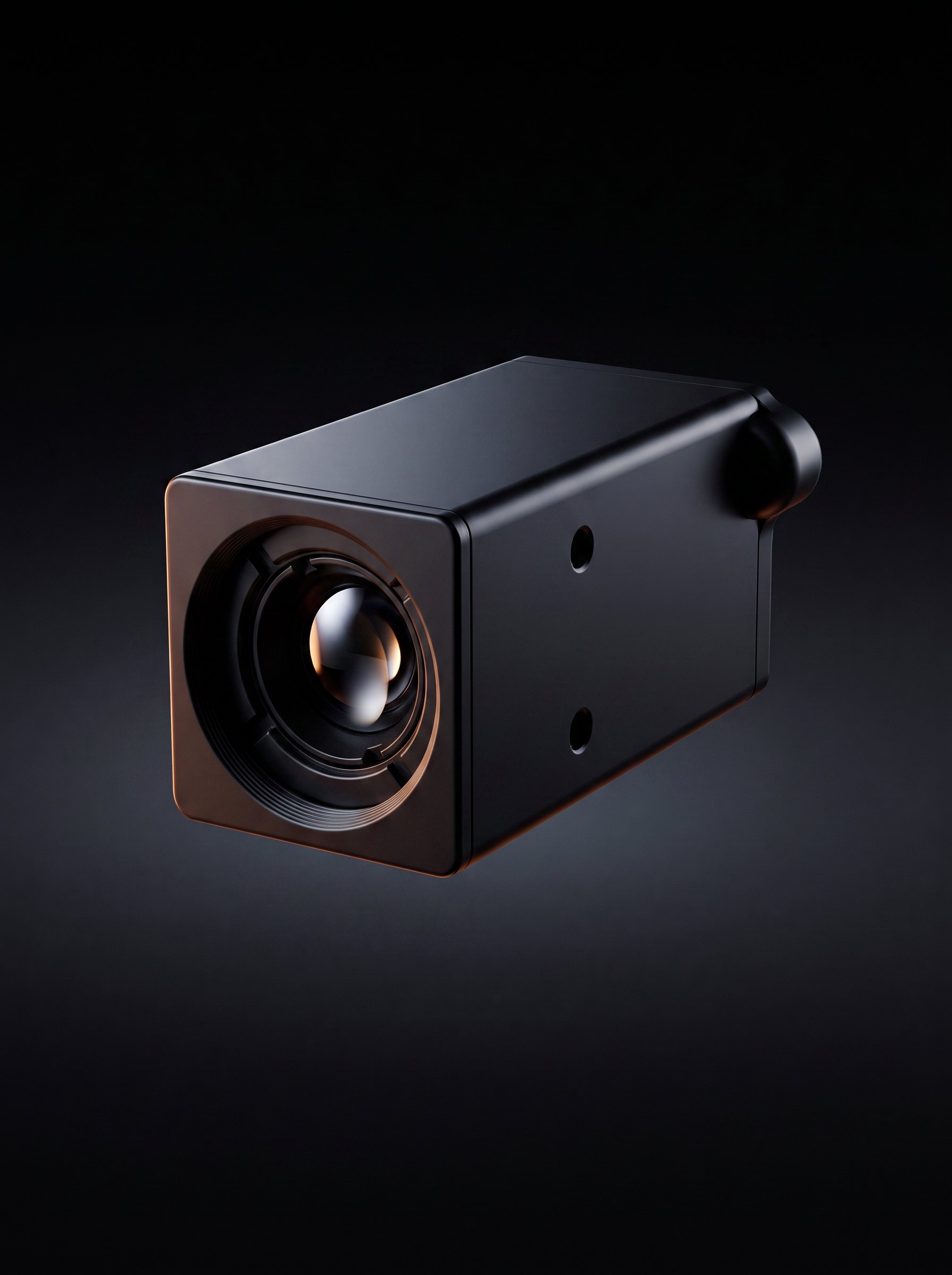
SEEK 384
A 384×288 thermal core that balances resolution, range and payload — the go-to module for reconnaissance UAVs and interceptor platforms that need more detail than FPV without the weight of a long-range sensor.
Overview
SEEK 384 offers more than twice the pixels of SEEK 256 and a 60 Hz frame rate for fast-moving scenes, while staying under 0.42 W. It is the module of choice when a platform needs to recognise targets, not only detect them, at a moderate payload budget.
Technical specifications
Specifications may vary by lens version. See the product passport for each focal length.
Use cases
Each scenario links to its Solutions page with deployment details and recommended configurations.
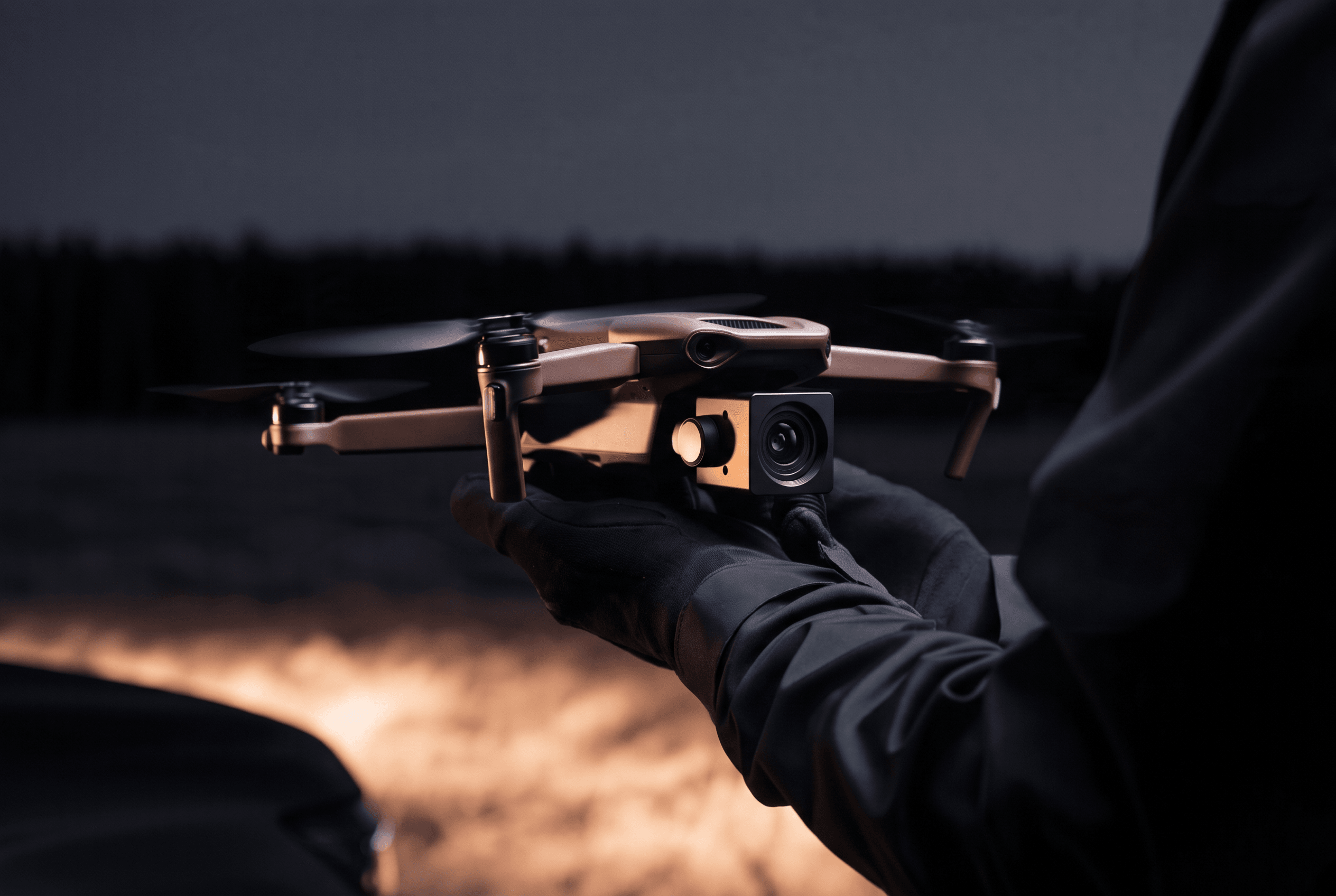
Recognition-grade imaging for surveillance UAVs.
Explore solution →
Fast 60 Hz thermal video for interceptor platforms.
Explore solution →
Clear detail on fences, roads and access points.
Explore solution →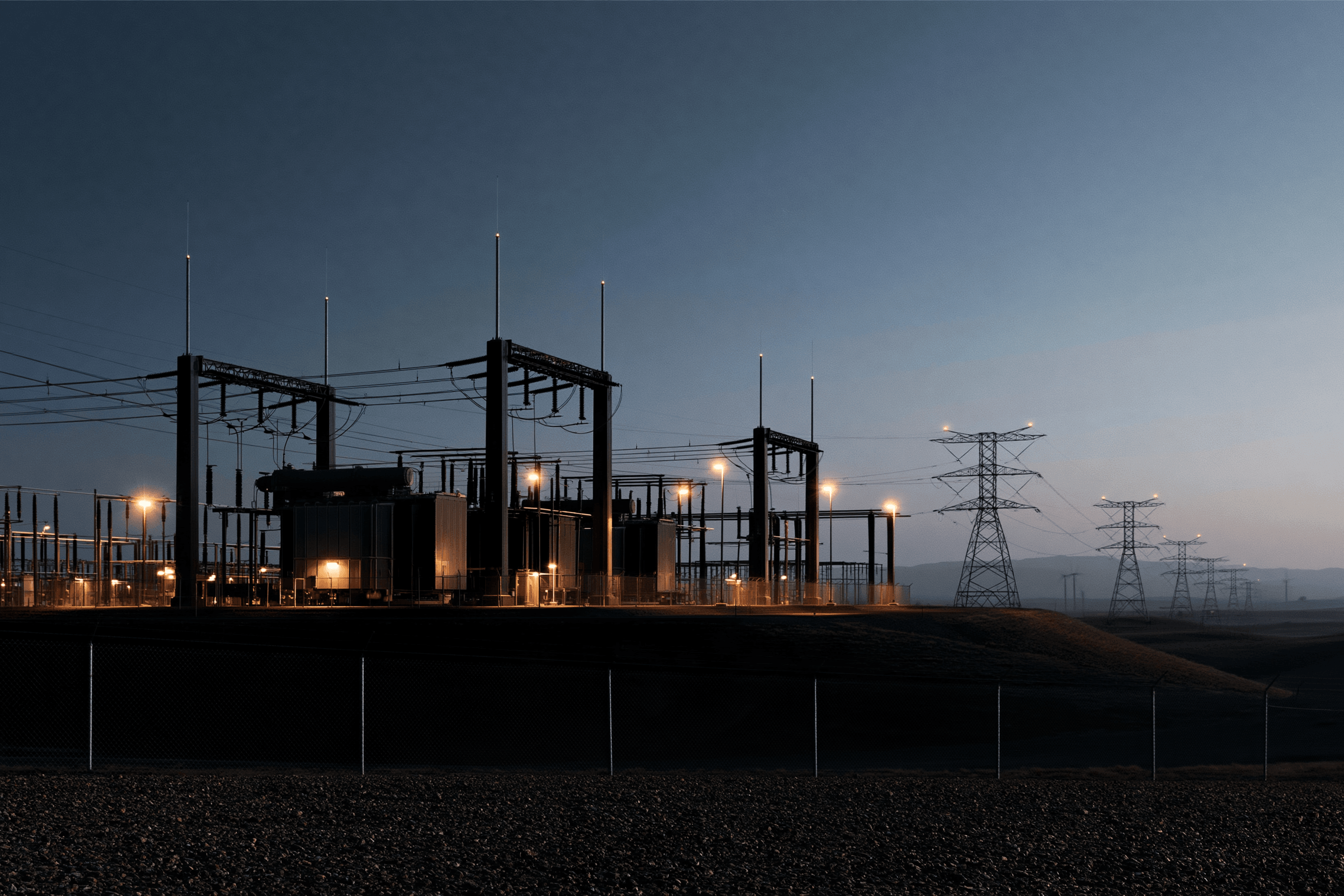
Patrols along lines, substations and pipelines.
Explore solution →Downloads
FAQ
When the platform needs to recognise objects, not just detect them, or needs 60 Hz for fast flight.
For long-range ISR and wide-area coverage, where maximum resolution matters more than weight and power.
CVBS (PAL), DVP, BT656, USB 2.0 and MIPI.
Related products
Lightweight thermal core for FPV and compact platforms. Smooth, low-latency imaging without freezes, thanks to our proprietary calibration algorithm.
A high-resolution 640×512 thermal core engineered for long-range detection on reconnaissance and ISR platforms — compact enough for FPV integration, reliable enough for continuous operational use.
Knowledge
Request presentation
Contacts
 +380 73 518 09 22

 WhatsApp
 Email
 Book a Meeting
 View Products on Brave1 Market
 Visit Website